
How to Pick a Finish That Lasts, Looks Great, and Fits Your Home’s Style
Choosing the right paint finish for your home exterior comes down to three things: durability, appearance, and surface condition. Flat finishes hide flaws but stain easier. Satin and eggshell offer a soft shine and are easier to clean. Semi-gloss and gloss are strong and washable but highlight imperfections. The best choice depends on your siding type, weather exposure, and maintenance goals.
What You Need to Know Before You Start
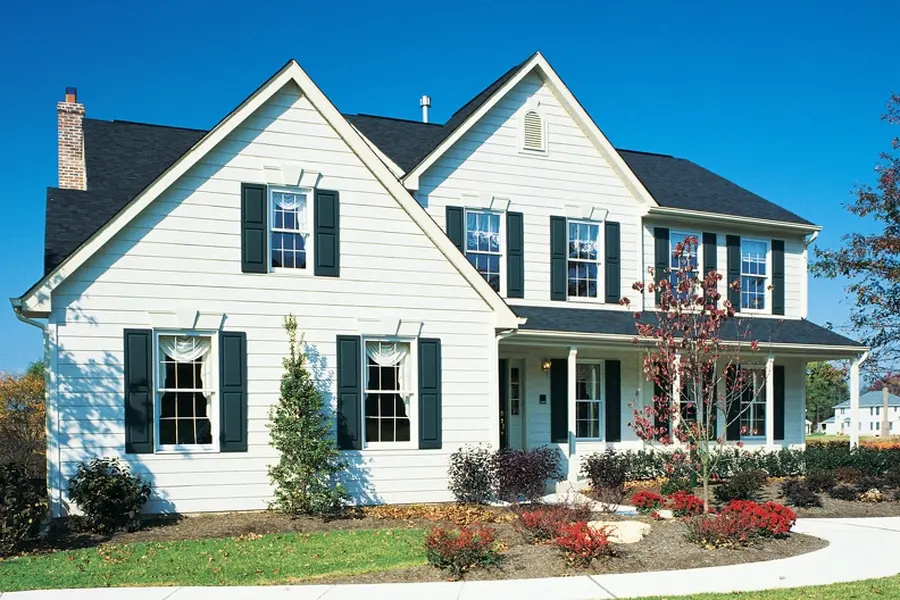
Before starting any exterior house painting project, look closely at your home’s surface. Is the siding smooth or rough? Does it have cracks, dents, or old peeling paint? The condition of the surface affects how the finish will look.
Climate also matters. Homes in rainy or humid areas need finishes that resist moisture. Sunny climates need paint that stands up to UV rays. If your house gets dusty or muddy, a finish that is easy to rinse off will save time later.
You should also think about the service category keyword and how it fits into your full home improvement plan. Painting often works best when paired with minor repairs and proper prep work.
Step-by-Step Guide to Choosing the Right Finish
Follow these simple steps to narrow down your options:
- Check the surface texture. Rough wood or stucco often looks better with flat or satin finishes.
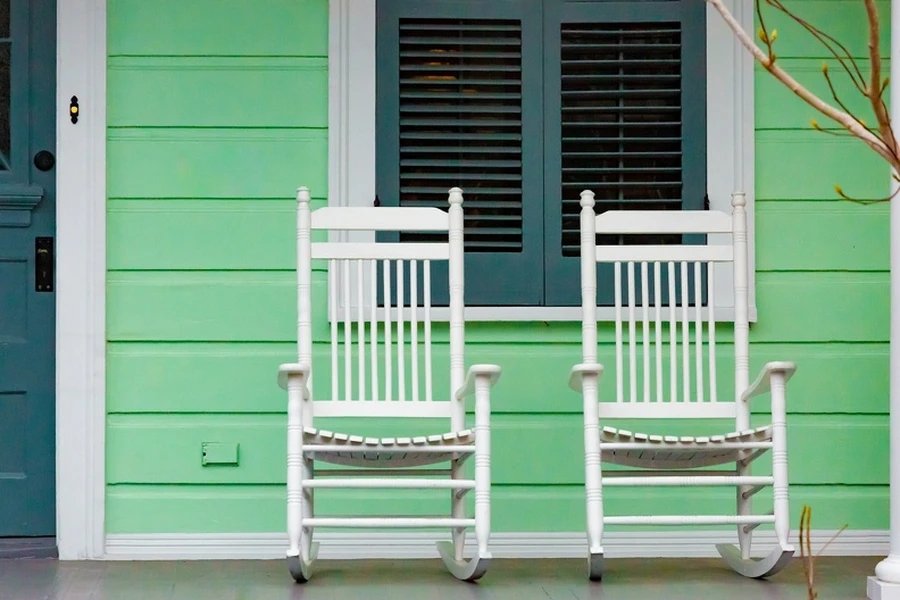
- Look at problem areas. Trim, doors, and shutters usually need semi-gloss for durability.
- Think about cleaning. If you want easy washing, choose satin or semi-gloss.
- Test in small sections. Paint a sample area and view it in morning and evening light.
- Match the finish to the material. Wood, fiber cement, vinyl, and brick all absorb paint differently.
This basic process helps you make a smart decision without guesswork.
Common Mistakes Homeowners Make
One common mistake in exterior house painting is picking gloss just because it looks shiny on a sample board. Gloss can highlight every dent and patch on older siding.
Another mistake is using flat paint in high-traffic areas like doors and trim. Flat paint is harder to clean and may fade faster.
Some homeowners also skip surface prep. Even the best finish will fail if the surface is dirty, damp, or peeling. Washing, scraping, sanding, and priming are key steps.
Best Finish by Surface Type
Different materials pair better with certain finishes:
- Wood siding: Satin or low-luster is a popular balance of durability and appearance.
- Stucco: Flat or satin helps hide texture and small cracks.
- Brick: Satin works well and resists moisture buildup.
- Trim and doors: Semi-gloss offers strength and easy cleaning.
These are general guidelines. Always check the paint manufacturer’s label for product details.
When to Call a Professional
Some homes are harder to paint than others. Tall walls, steep angles, or damaged siding can make the job risky. If you see rot, mold, or deep cracks, a professional crew can address those issues before painting.
A team experienced in exterior house painting can also help you compare finishes in real-world conditions. They know how each sheen reacts to sun, rain, and temperature swings. This can prevent peeling, blistering, and uneven fading.
Hiring experts also saves time. What might take a homeowner several weekends can often be completed much faster with the right tools and crew.
Final Thoughts and Next Steps
If you are planning exterior house painting in Carpentersville, IL, the right finish makes a big difference in how long your paint job lasts and how good it looks year after year. At HP Coronel Painting Inc., we help homeowners choose finishes that match their siding, climate, and long-term goals. Call us at (847) 505-7094 to schedule a consultation and let us help you feel confident about your next project.